







Blogs coloring page
The Credibility Mission: How can you tell if Labubu is real

Buying a Labubu figure for your child sounds simple until you’re holding two versions that look almost identical and one costs three times the other.
How can you tell if Labubu is real: What Parents Need to Know
A counterfeit Labubu doesn’t just waste money. It hands your child a product made without safety standards, with paint that chips, seams that split, and materials nobody tested. How can you tell if Labubu is real is one of the most searched questions among parents right now, and the answers aren’t always where you’d expect to find them. This article walks through the physical details that separate genuine figures from copies, what to check before you buy, and why the paper thickness in your child’s coloring materials follows the same logic: the base material tells you everything.
What coloring actually does for a child’s developing brain
Focused, detailed work builds the kind of concentration that transfers directly into reading and problem-solving. When a child between 8 and 12 sits down with a complex coloring page, they’re not just filling in shapes. They’re making dozens of small decisions every few minutes: which color goes here, how hard to press, where one section ends and another begins. That’s executive function, and it gets stronger every time they practice it.
A child working on an intricate illustration for 35 minutes straight is doing something closer to focused study than to play. The complexity matters. Simple cartoon outlines are finished in ten minutes and forgotten. A detailed page with layered backgrounds, fine line work, and varied textures holds attention because it keeps offering new problems to solve.
This is where the best how can you tell if Labubu is real: what parents need to know for kids ages 3 to 10 framing breaks down slightly: the skills being built at 8 are genuinely different from those at 4. An older child benefits from pages that demand precision, not just color recognition. The brain activity involved in staying within a 2mm line is different from coloring inside a shape the size of a hand.
And the effect compounds. A child who colors detailed pages regularly builds a longer attention span, a steadier hand, and a more practiced eye for proportion. None of that happens with a page that’s done before the pencils are sharpened.
How a single coloring page can hold a child’s attention for forty minutes, and what that tells you about How can you tell if Labubu is real
The page has to be hard enough to resist being finished quickly. This is the same principle behind authenticating a collectible figure. A genuine Labubu has details that take time to notice: the specific texture on the ears, the exact shape of the pupils, the way the paint sits differently on the matte versus the gloss sections. A fake skips those details because reproducing them costs time and money.
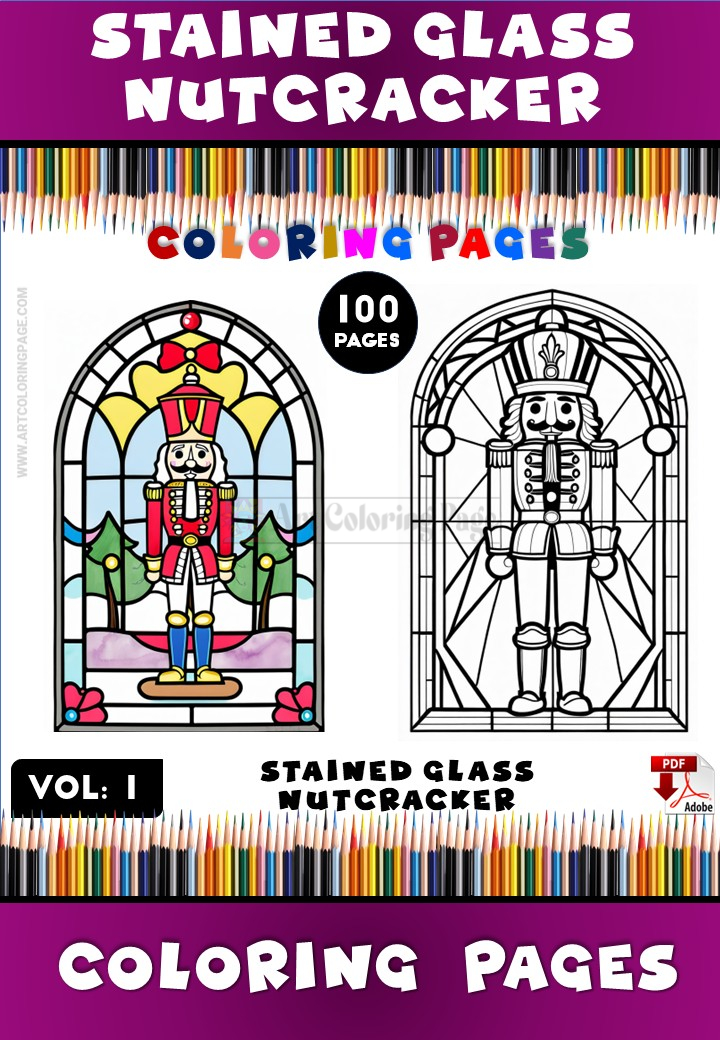
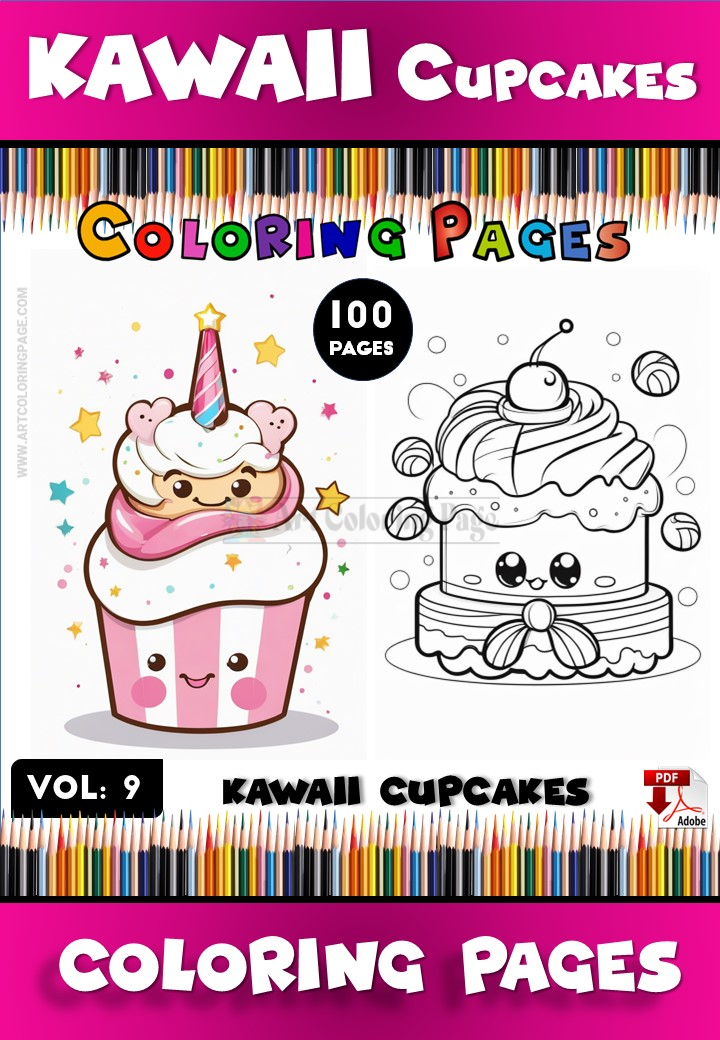
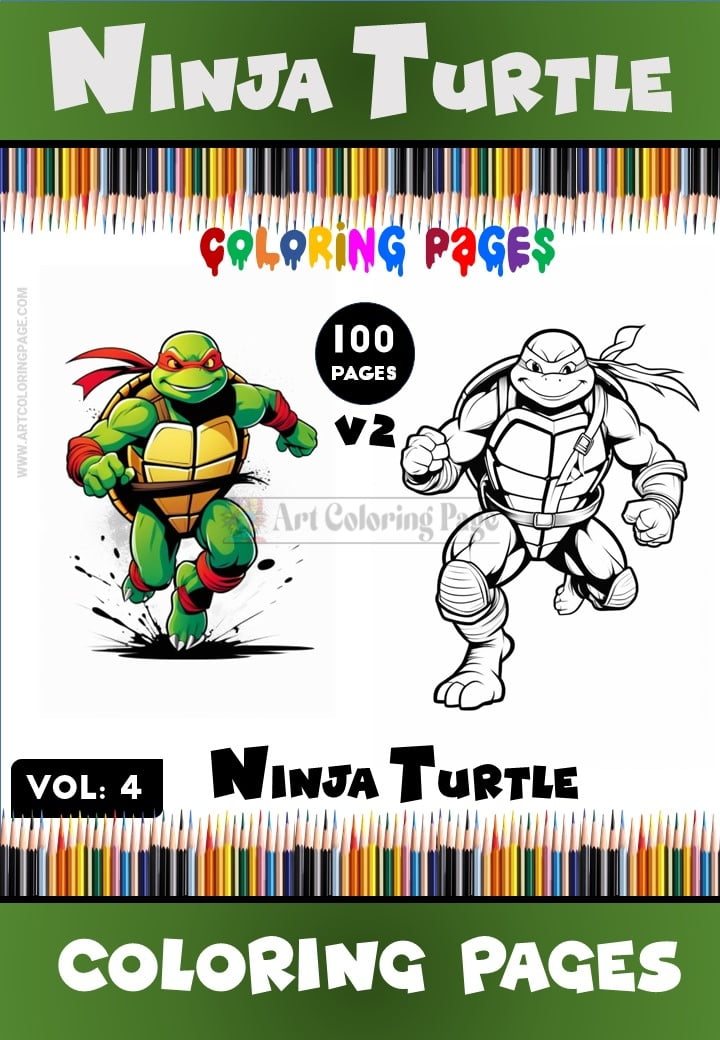
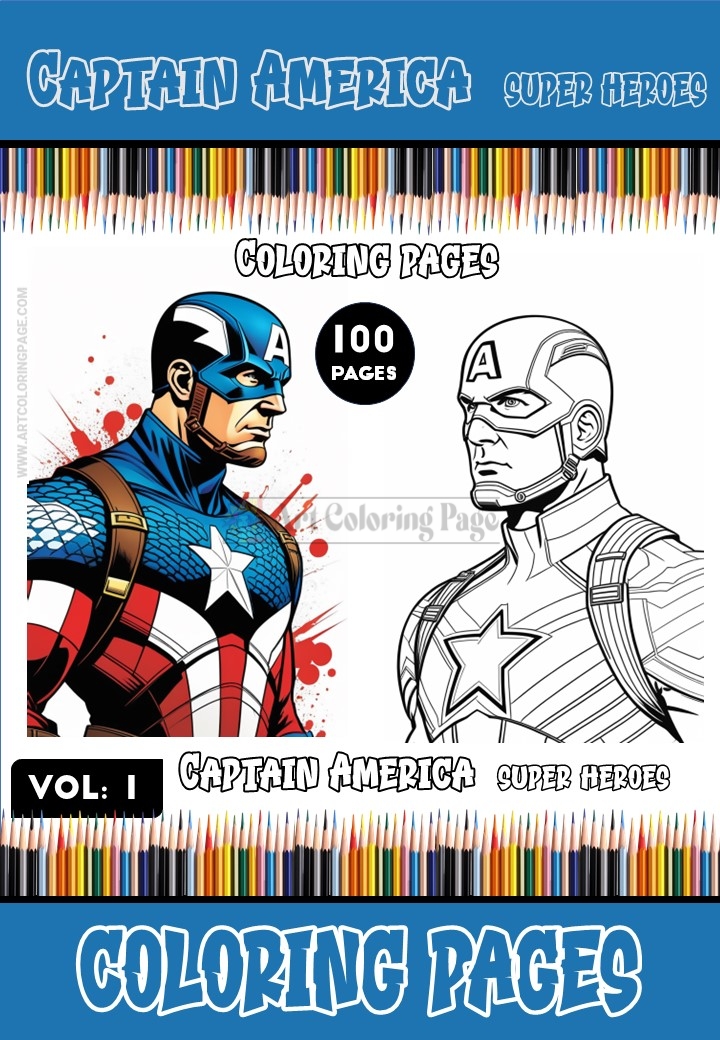
A well-designed coloring page works the same way. It holds attention because there’s always one more decision to make. Children working on pages from a how can you tell if Labubu is real guide-style series, featuring characters with distinct visual features and layered designs, consistently work longer than children given simple outline pages. The complexity is the point.
Forty minutes of focused coloring at age 9 or 10 isn’t unusual when the page earns it. But the page has to be designed for that. Thin lines, detailed backgrounds, and characters with expressive features give a child enough to engage with. A page that’s done in eight minutes wasn’t designed to hold attention. It was designed to be easy.
And easy doesn’t build anything.
What to look for in a coloring book that actually holds attention
The single most important variable is paper thickness, and most parents never check it. A 60gsm page bleeds when your child presses hard with a marker. The color soaks through, ruins the next page, and teaches a child that coloring tools can’t be trusted. A 90gsm or heavier page takes the same marker stroke and holds it cleanly.
This is the unique angle that how can you tell if Labubu is real tips for parents forums keep circling back to without naming it directly: the substrate matters more than the tool. You can give a child professional-grade colored pencils, but if the paper is too thin, the result is frustrating. A basic set of pencils on 100gsm paper produces cleaner, more satisfying work.
For parents of children ages 8 to 12, look for pages printed on card-weight paper or designed to be printed at home on standard 90gsm stock. The line weight should be fine enough to reward careful work but not so fine that it frustrates a child who’s still developing hand steadiness. The best pages in this range have a foreground subject with detail and a background with enough structure to fill without being overwhelming.
Check the binding too. A book that falls flat stays open while your child works. A book that springs closed every time they let go is a friction point that breaks concentration.
The practical case for keeping a printable coloring file on your phone, and how it connects to How can you tell if Labubu is real
A printable PDF file costs nothing to reprint, which changes how your child relates to making mistakes. A child who knows they can start over presses harder, experiments more, and finishes more pages. A child working in a bound book with one copy of each page is careful in the wrong way, cautious about every mark instead of committed to it.
The printable how can you tell if Labubu is real: what parents need to know PDF free format exists because parents want access without friction. You download it once, save it to your phone, and print a fresh copy whenever your child wants to try again or go deeper on a page they loved. That’s a different relationship with the material than a single-use book provides.
How can you tell if Labubu is real: what parents need to know for adults applies here too. Adults who use printable coloring pages report returning to the same page multiple times, trying different color schemes and tools. The repeatability is the feature. And it’s something a bound book simply can’t offer.
Keeping a PDF on your phone means you’re never caught without something for your child to do. A 45-minute wait, a long drive, an afternoon with no plans: you print two pages, hand over the pencils, and the next hour handles itself. That’s not a small thing.
Frequently asked questions about How can you tell if Labubu is real: What Parents Need to Know
Is coloring actually beneficial for children?
Yes, and the benefit is more specific than most parents expect. Coloring builds fine motor control, trains sustained attention, and gives children practice making sequential decisions under low stakes. For children ages 8 to 12, detailed coloring pages also develop visual precision, the ability to observe small differences in shape and proportion. That skill transfers directly into reading and drawing.
At what age should children start coloring?
Children can hold a large crayon around age 2, but the kind of focused, detail-oriented coloring that builds real skill starts closer to 6 or 7. For the 8 to 12 age range, complexity is appropriate and beneficial. A page designed for a 4-year-old will bore an 10-year-old within minutes. Match the page difficulty to the child’s current attention span, not their age on a chart.
How long should a coloring session last?
For children ages 8 to 12, 30 to 45 minutes is a productive session. Some children working on complex pages will go longer without prompting. The rule worth following is: stop before frustration, not before the page is finished. A child who stops while still engaged will want to come back. A child who pushes past their limit associates coloring with effort in the wrong sense.
What coloring tools are best for young children?
For the 8 to 12 range, colored pencils give the most control and work well on pages with fine line detail. Markers are faster and more satisfying for children who prefer bold, graphic results, but they require heavier paper. Watercolor pencils add a layer of experimentation that older children often enjoy. The tool matters less than the paper it’s used on. A good pencil on thin paper produces worse results than a basic pencil on 90gsm stock.
Can adults benefit from coloring too?
Completely. How can you tell if Labubu is real: what parents need to know for adults is a real search because adults are looking for the same things: engaging detail, satisfying complexity, and a focused activity that doesn’t require a screen. Adults working on intricate coloring pages report better concentration and a clearer sense of having made something. The benefits of sustained, detail-oriented focus don’t stop at age 12.
Conclusion
The details you check on a Labubu figure, paint consistency, seam quality, pupil shape, are the same kind of details that separate a coloring page worth printing from one that gets abandoned after five minutes. The base material matters. The design complexity matters. The ability to reprint and try again matters. These aren’t small considerations. They’re the difference between an activity your child returns to and one that sits in a drawer.
If you don’t download a page today, your child goes another week without a focused, screen-free activity that actually builds something. Browse the printable PDF collection from this series and print one page tonight. One page is enough to find out whether your child will ask for another