
















Blogs coloring page
The Surprising Benefits of Coloring for Adults: A Deep Dive into Creativity

Discover the profound Benefits of Coloring for all ages! Reduce stress, boost focus, enhance creativity, and improve well-being. Explore how this simple activity transforms mind, body, and spirit.
For many, the act of coloring evokes nostalgic memories of childhood – crayons, coloring books, and carefree afternoons spent bringing fantastical worlds to life. However, in recent years, coloring has experienced a remarkable resurgence, transcending its traditional role as a children’s pastime to become a widely embraced activity for adults. This phenomenon, fueled by the popularity of intricate adult coloring books, has transformed coloring into a recognized and respected tool for well-being, creativity, and mental clarity. It’s no longer just about keeping within the lines; it’s about rediscovering a simple yet profound joy that offers a multitude of advantages.
The shift in perception around coloring stems from a growing awareness of its deeper advantages. In our fast-paced, digitally saturated world, people are actively seeking accessible and effective ways to de-stress, unplug, and engage in meaningful, screen-free activities. Coloring provides precisely that. It offers a low-pressure creative outlet that doesn’t require artistic training or expensive materials, making it an inviting option for anyone looking to unwind and express themselves. The repetitive, focused nature of coloring acts as a gentle anchor, pulling the mind away from anxieties and into the present moment.
This article aims to introduce and thoroughly explore the multifaceted Benefits of Coloring, presenting a holistic approach to how this seemingly simple activity can profoundly impact our mental, emotional, cognitive, and even physical well-being. We will delve into the psychological relief it offers, examining how it can reduce stress and foster mindfulness. We’ll also uncover the cognitive advantages, such as improved focus and enhanced fine motor skills, and touch upon the surprising physical impacts, like reduced screen time and improved sleep.
Furthermore, we will discuss how coloring can foster social connections and personal growth, providing a safe space for self-discovery and experimentation. We’ll also highlight its remarkable accessibility and versatility, making it a practical and enjoyable hobby for individuals of all ages and artistic inclinations. Prepare to embark on a journey that reveals the transformative power hidden within the humble coloring page, and discover why embracing the Benefits of Colouring can be a truly enriching experience for your mind, body, and spirit.
2. Psychological and Emotional Benefits of Coloring
The most widely recognized and celebrated Advantages of Coloring lie in its profound psychological and emotional impacts. In an age marked by increasing stress and anxiety, coloring offers a simple yet powerful antidote, providing a calming escape and a pathway to greater emotional well-being.
One of the primary advantages is its remarkable ability to induce stress reduction and anxiety relief. When you engage in coloring, your focus shifts from external stressors to the intricate patterns and the act of applying color. This intense concentration acts as a form of active meditation, effectively quieting the “fight or flight” response and reducing the production of stress hormones like cortisol. The repetitive, rhythmic motion of coloring can be incredibly soothing, creating a sense of calm and allowing the mind to unwind. It provides a safe, non-demanding activity that allows for mental decompression, offering a much-needed respite from the pressures of daily life.
This focused engagement naturally leads to promoting mindfulness and presence. Mindfulness is the practice of being fully present and aware of the current moment, without judgment. Coloring inherently encourages this state. As you concentrate on choosing colors, staying within lines, and observing the emerging image, your mind becomes fully absorbed in the “here and now.” This helps to quiet the incessant mental chatter, rumination about the past, or worries about the future. It’s a gentle way to anchor yourself in the present, fostering a deeper connection with your inner self and promoting a sense of inner peace and tranquility.
Furthermore, coloring can significantly enhance emotional expression. For many, verbalizing complex emotions can be challenging. Coloring provides a non-verbal outlet, allowing individuals to express feelings through color choices, patterns, and the overall mood of their artwork. You might instinctively choose vibrant colors when feeling joyful, or darker, more muted tones when feeling contemplative or sad. This act of externalizing internal states can be incredibly cathartic and provide a healthy way to process emotions without the need for words. It’s a safe space to explore and acknowledge your emotional landscape.
Engaging in coloring also has a notable effect on boosting mood and reducing negative emotions. The act of creating something beautiful, even within predefined lines, can be incredibly uplifting. The vibrant colors, the satisfaction of seeing an image come to life, and the sense of calm achieved during the process all contribute to a more positive emotional state. It can serve as a healthy distraction from negative thoughts, providing a constructive and enjoyable activity that shifts your focus away from rumination and towards a sense of accomplishment and creative satisfaction.
Finally, completing a coloring page, especially an intricate one, provides a tangible sense of accomplishment. In a world where many tasks are ongoing or abstract, finishing a piece of art offers a clear, visible result of your effort. This sense of completion boosts self-esteem and reinforces positive feelings about one’s capabilities. It’s a small victory that can contribute to overall confidence and a greater sense of personal efficacy, making the Benefits of Coloring extend into a broader sense of well-being and self-worth.
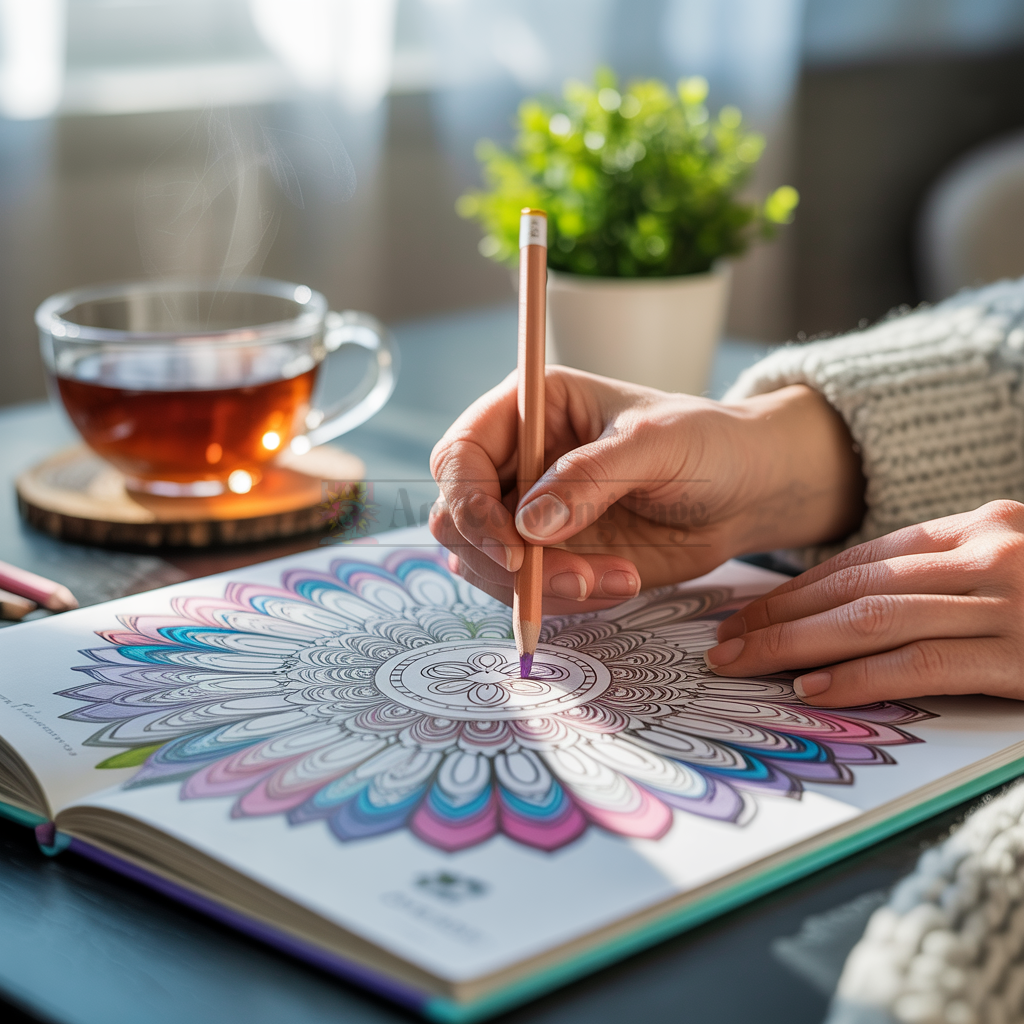
3. Cognitive and Neurological Advantages of Coloring
Beyond its well-known psychological benefits, coloring also offers a surprising array of cognitive and neurological advantages, making it a valuable activity for brain health and mental acuity across all age groups. Engaging with coloring pages stimulates various parts of the brain, contributing to improved focus, enhanced motor skills, and even a boost in creative thinking.
One of the most significant cognitive Benefits of Coloring is its ability to improve focus and concentration. When you’re coloring, especially intricate designs like mandalas or detailed scenes, your brain is engaged in a sustained attention task. You’re concentrating on staying within the lines, choosing the right colors, and applying them with precision. This consistent practice strengthens the neural pathways associated with concentration, making it easier to focus on other tasks in daily life, whether academic, professional, or personal. It trains your brain to filter out distractions and maintain attention, a crucial skill in our increasingly fragmented world.
Coloring is also an excellent exercise for enhancing fine motor skills and hand-eye coordination. The act of gripping a pencil or crayon, controlling pressure, and making precise movements within small areas directly strengthens the small muscles in your hands and fingers. This improved dexterity and coordination are beneficial for a wide range of activities, from writing and typing to playing musical instruments and performing everyday tasks that require delicate manipulation. For children, it aids in developing these foundational skills, and for adults, it helps maintain them, potentially even slowing their decline with age.
Furthermore, coloring actively stimulates creativity and imagination. While the outlines are provided, the choice of colors, the blending techniques, and the overall interpretation of the image are entirely up to the colorist. You can choose realistic palettes or experiment with fantastical, unconventional color schemes. This freedom encourages imaginative thinking and allows for personal expression, fostering a sense of artistic exploration without the pressure of creating from scratch. It’s a low-stakes environment to experiment with color theory, shading, and composition, nurturing your inner artist.
Engaging with coloring can also subtly boost problem-solving skills. Deciding on a color palette, figuring out how to blend colors for a desired effect, or determining the best way to shade a particular area all involve minor problem-solving. For instance, how do you make a flower petal look three-dimensional? You might experiment with light and shadow, layering different shades. These small, creative challenges engage the brain in a gentle yet effective way, promoting flexible thinking and decision-making within an artistic context.
Finally, some research suggests that engaging in mentally stimulating activities like coloring can contribute to delaying cognitive decline. By keeping the brain active and engaged, particularly in tasks that involve visual processing, fine motor control, and decision-making, coloring can help maintain cognitive function as we age. It provides a gentle, enjoyable form of mental exercise that can contribute to overall brain health and resilience, making the Benefits of Colouring extend into long-term well-being.
4. Physical and Physiological Impacts of Coloring
While the psychological and cognitive Benefits of Coloring are widely discussed, its positive physical and physiological impacts are equally significant, contributing to a holistic sense of well-being. Engaging in this simple activity can have tangible effects on our bodies, from reducing digital strain to promoting better sleep.
One of the most immediate physical advantages of coloring is its role in reducing screen time and digital fatigue. In an era dominated by smartphones, computers, and televisions, our eyes and brains are constantly bombarded with blue light and digital stimulation. Coloring provides a much-needed break from screens, allowing your eyes to rest and your mind to disengage from the endless scroll. This intentional step away from digital devices can alleviate eye strain, reduce headaches, and combat the mental exhaustion often associated with prolonged screen exposure, offering a refreshing alternative for leisure time.
The calming effect of coloring also extends to our physiological responses, notably by lowering heart rate and blood pressure. As the mind becomes absorbed in the meditative act of coloring, the body’s “fight or flight” response deactivates, and the parasympathetic nervous system (responsible for rest and digest) takes over. This shift leads to a measurable decrease in heart rate and can contribute to a reduction in blood pressure. Regular engagement in such calming activities can have long-term positive effects on cardiovascular health, making the Benefits of Coloring a quiet ally in maintaining physical well-being.
Furthermore, incorporating coloring into an evening routine can significantly improve sleep quality. Engaging in a relaxing, screen-free activity before bed signals to your brain that it’s time to wind down. Unlike stimulating activities like watching TV or browsing social media, coloring doesn’t emit blue light that can disrupt melatonin production, the hormone essential for sleep. The calming, repetitive nature of coloring helps to clear the mind of daily worries, making it easier to fall asleep and achieve a deeper, more restorative rest. It’s a simple yet effective strategy for combating insomnia and promoting healthier sleep patterns.
For individuals experiencing chronic pain or discomfort, coloring can serve as a powerful distraction and a form of gentle therapy. By focusing intensely on the colors, patterns, and the act of creation, the mind’s attention is diverted away from the sensation of pain. This shift in focus can effectively reduce the perception of pain, providing temporary relief and a sense of control. While not a cure, it offers a non-pharmacological coping mechanism that can improve quality of life for those dealing with ongoing physical discomfort, highlighting a unique aspect of the Benefits of Coloring.
Lastly, coloring enhances visual perception. As you work with different shapes, lines, and colors, your brain is actively processing visual information, recognizing patterns, and understanding spatial relationships. This continuous engagement sharpens your ability to discern subtle differences in shades, perceive depth, and appreciate intricate forms. For both children developing their visual skills and adults maintaining them, coloring provides a gentle yet effective workout for the visual cortex, contributing to overall cognitive and sensory health.
5. Social and Personal Growth Through Coloring
Beyond the individual benefits, coloring also serves as a powerful catalyst for social connection and profound personal growth. It’s an activity that can be enjoyed in solitude for introspection, or shared with others to foster community, making the Benefits of Coloring extend into our relationships and self-understanding.
One of the most delightful aspects is its ability to foster connection and community. While often seen as a solitary activity, coloring has given rise to vibrant group coloring sessions, workshops, and online communities. These gatherings provide a relaxed, non-judgmental environment where people can connect over a shared interest. It’s an easy way to break the ice, share tips and techniques, and simply enjoy quiet companionship. For those who might find traditional social settings daunting, coloring groups offer a comfortable space to interact, build friendships, and feel a sense of belonging, combating feelings of isolation.
Coloring also strongly encourages self-discovery and reflection. The choices you make on a coloring page – the colors you select, the way you blend them, the areas you choose to emphasize – are often subconscious reflections of your mood, personality, and inner state. Over time, you might notice patterns in your preferences or discover new aspects of your creative self. It provides a safe space for introspection, allowing you to explore your artistic voice without the pressure of creating something entirely new. This process of making personal choices in art can lead to a deeper understanding of your own aesthetic preferences and even your emotional landscape.
The act of completing intricate designs in coloring books naturally builds patience and perseverance. Unlike quick sketches, a detailed coloring page can take hours, or even days, to complete. This requires sustained focus, methodical work, and the ability to resist the urge to rush. As you work through complex patterns, you learn to appreciate the process as much as the outcome, developing a greater capacity for sustained effort and attention to detail. The satisfaction of finishing a challenging piece reinforces the value of perseverance, a valuable life skill that extends far beyond the coloring page.
Furthermore, coloring provides a safe space for experimentation. There are no “right” or “wrong” answers in coloring. You can choose to color realistically, or you can let your imagination run wild with fantastical color combinations. This freedom from judgment encourages creative risk-taking and allows you to explore different artistic styles and techniques without fear of failure. It’s a low-pressure environment to try new things, discover what you enjoy, and develop your unique artistic voice, fostering a sense of creative liberation.
Finally, coloring cultivates a hobby for all ages, making it a truly intergenerational activity. Grandparents can color alongside grandchildren, parents can bond with their children, and friends of all ages can share in the enjoyment. Its accessibility means that anyone, regardless of artistic background or physical ability, can participate and experience its benefits. This universal appeal makes coloring a wonderful activity for family gatherings, community events, or simply as a shared interest that bridges generational gaps, highlighting the inclusive nature of the Benefits of Colouring.
6. Practical Applications and Accessibility of Coloring
One of the most compelling aspects of the Benefits of Coloring is its remarkable practicality and widespread accessibility. Unlike many other art forms or therapeutic activities, coloring requires minimal investment and can be easily integrated into almost any lifestyle, making it a truly democratic and versatile tool for well-being.
Firstly, coloring serves as an incredibly affordable and accessible form of art therapy. You don’t need expensive art supplies, specialized training, or a dedicated studio space. A basic set of colored pencils or crayons and a coloring book are often all that’s required to get started. This low barrier to entry means that virtually anyone can experience the therapeutic advantages of creative expression without significant financial outlay or time commitment. It democratizes access to art, making its healing and developmental properties available to a much broader audience.
The versatility of coloring mediums further enhances its accessibility and appeal. While colored pencils and crayons are classic choices, offering precision and blendability, the options extend far beyond. Markers provide vibrant, saturated colors and smooth coverage, ideal for bold statements. Gel pens add sparkle and fine detail. Pastels offer soft, powdery effects. Even digital coloring apps provide a convenient, mess-free alternative for those who prefer to color on screens. This wide array of mediums allows individuals to choose what feels most comfortable and enjoyable, catering to different tactile preferences and artistic styles.
Furthermore, the sheer diversity of themes and styles available in coloring pages ensures there’s something for everyone. From intricate mandalas that promote mindfulness to serene nature scenes, beloved characters from pop culture, abstract geometric patterns, and complex architectural designs – the options are limitless. This variety means that colorists can choose themes that resonate with their personal interests, ensuring sustained engagement and enjoyment. Whether you’re seeking a challenge or a simple, relaxing design, the vast selection of coloring pages, often found on sites like artcoloringpage.com, caters to every taste.
Integrating coloring into daily routines is remarkably easy. It doesn’t demand large blocks of time; even 15-30 minutes of coloring can provide significant stress relief and a mental break. You can incorporate it into your morning routine to set a calm tone for the day, use it as a midday break to re-center, or make it a calming pre-bedtime ritual to unwind. Its portability also means you can color almost anywhere – at home, during commutes, in waiting rooms, or even outdoors, making it a flexible activity that adapts to your schedule and environment.
Finally, the growing community around coloring provides abundant resources for enthusiasts. Beyond physical books, countless online platforms, websites, and social media groups offer free printable pages, tutorials, inspiration, and a supportive network of fellow colorists. This accessibility to resources and community further enhances the experience, allowing individuals to continuously discover new designs, learn advanced techniques, and share their creations, making the Advantages of Coloring a continuously evolving and enriching journey.
7. Conclusion: Embrace the Transformative Power of Coloring
As we draw our exploration to a close, it’s abundantly clear that the Benefits of Coloring extend far beyond a simple childhood pastime. This accessible and engaging activity has emerged as a powerful tool for holistic well-being, offering a profound impact on our mental, emotional, cognitive, and even physical health. We’ve journeyed through its remarkable capacity to reduce stress and anxiety, fostering mindfulness and emotional expression in a world that often feels overwhelming.
We’ve celebrated its significant cognitive advantages, from sharpening focus and enhancing fine motor skills to stimulating creativity and even contributing to long-term brain health. The physical relief it provides, by reducing screen time, lowering physiological markers of stress, and improving sleep quality, underscores its role as a truly comprehensive wellness practice. Furthermore, we’ve seen how coloring can foster meaningful social connections and contribute to personal growth, building patience, encouraging self-discovery, and providing a safe space for artistic experimentation.
The beauty of coloring lies in its simplicity and universal appeal. It requires no special talent, no expensive equipment, and can be enjoyed by anyone, anywhere, at any time. It’s a gentle invitation to slow down, disconnect from digital noise, and reconnect with your inner self through the joyful act of creation. Whether you’re seeking a moment of calm, a boost in concentration, a creative outlet, or simply a fun way to unwind, the coloring page awaits.
So, embrace the transformative power of coloring. Pick up your favorite pencils, markers, or crayons, choose a design that speaks to you, and allow yourself to get lost in the vibrant world of color. Discover firsthand how this seemingly humble activity can bring immense joy, peace, and a renewed sense of well-being into your life. For an extensive collection of high-quality printable coloring pages across diverse themes and styles, be sure to visit artcoloringpage.com. Your journey to unlocking the full Advantages of Coloring starts now!
FAQ
Q1: Is coloring only for children, or can adults benefit from it too?
A1: Absolutely not! While popular with children, adults can experience significant Benefits of Coloring, including stress reduction, improved focus, enhanced creativity, and a sense of mindfulness.
Q2: What kind of coloring materials do I need to start?
A2: You can start with just a basic set of colored pencils or crayons and a coloring book. Many people also enjoy markers, gel pens, or even digital coloring apps.
Q3: How does coloring help with stress and anxiety?
A3: Coloring acts as a form of active meditation. The focused attention on patterns and colors helps to quiet the mind, reduce mental chatter, and lower stress hormones, promoting a state of calm and relaxation.
Q4: Can coloring improve my artistic skills?
A4: Yes! While you’re not drawing from scratch, coloring helps develop an understanding of color theory, improves fine motor skills, enhances hand-eye coordination, and encourages creative experimentation, all of which contribute to artistic growth.
Q5: Where can I find good quality coloring pages?
A5: Many websites offer free and paid printable coloring pages across various themes. You can find a wide selection of high-quality designs, including intricate patterns and diverse subjects, at artcoloringpage.com.